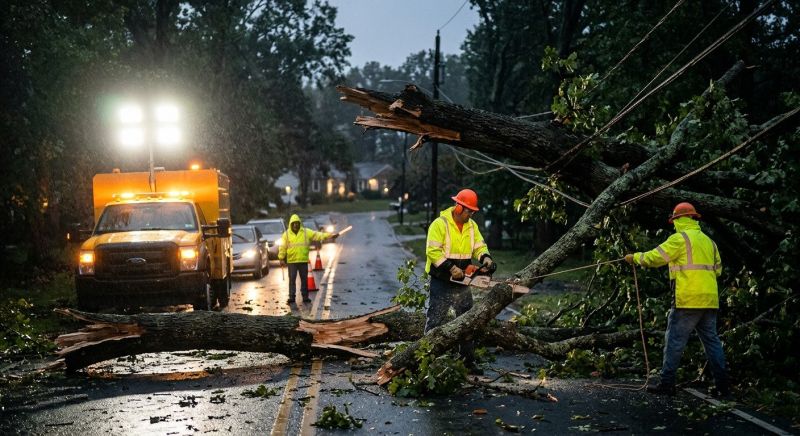
Emergency Tree Removal in Allentown, PA
Emergency tree removal services address urgent situations where trees pose immediate risks to property or safety. This includes removing fallen or severely damaged trees after storms, trees that are leaning dangerously, or those with significant structural issues that threaten nearby structures, power lines, or pedestrians. Property owners typically seek this service to quickly mitigate hazards caused by unexpected storm damage, disease, or decay that could result in property damage or personal injury if left unaddressed.
Before requesting emergency tree removal, property owners should assess the situation carefully. Important considerations include identifying whether the tree is actively falling, blocking access, or threatening power lines or structures. It’s also helpful to understand the extent of the damage, the location of the tree relative to buildings or utilities, and any potential access restrictions. Clear information about these factors can assist in coordinating a safe and effective removal process.
Many property owners in Allentown, PA look into Emergency Tree Removal for repairs, replacements, upgrades, and appearance-related improvements.
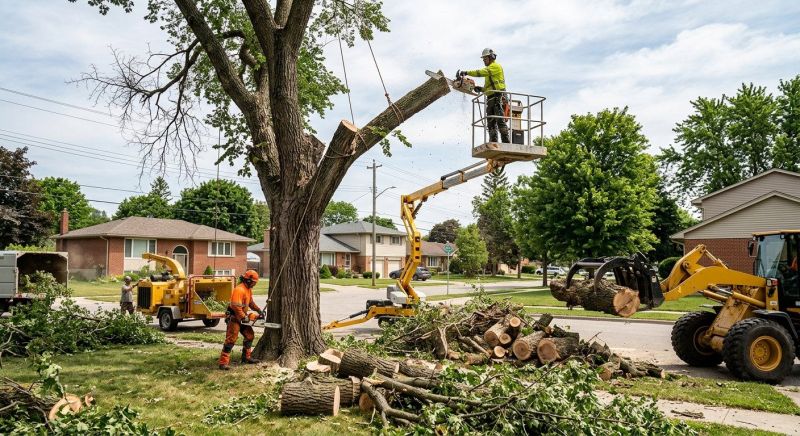
Urgent Tree Removal
Removing hazardous trees that threaten safety or property in allentown neighborhoods.
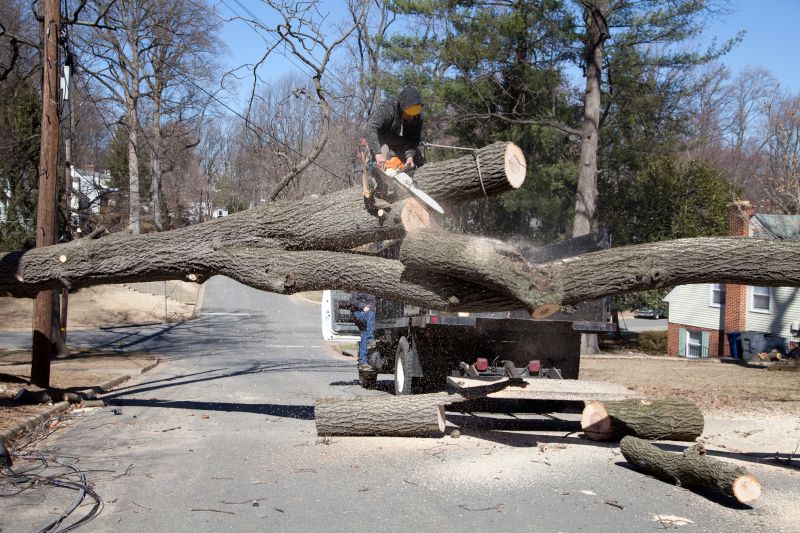
Storm Damage Cleanup
Clearing fallen or damaged trees after severe weather events to restore safety and access.
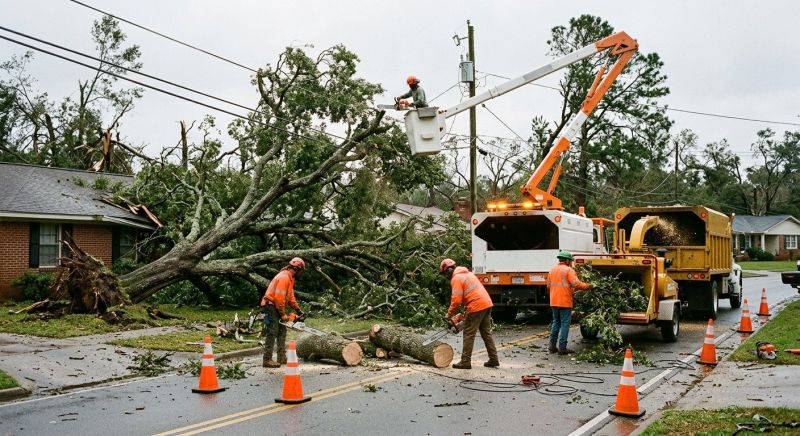
Dead Or Dying Tree Removal
Eliminating trees that pose a risk of falling or causing damage due to decay or disease.
Emergency Tree Removal in Allentown, PA
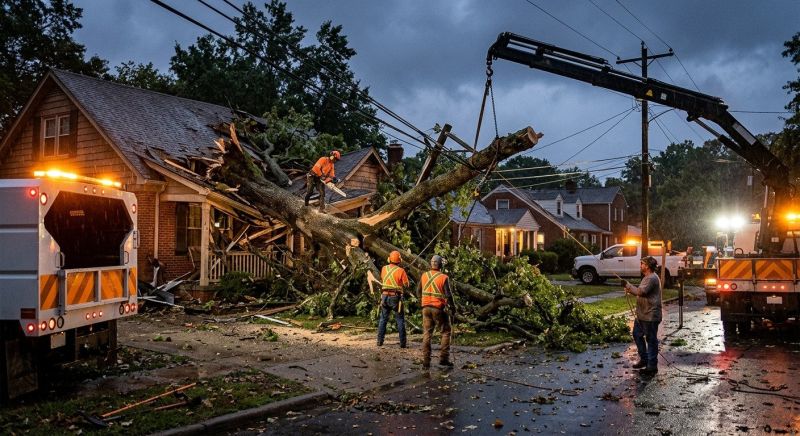
Emergency tree removal services address urgent situations where trees pose immediate risks to property or safety. This includes removing fallen or severely damaged trees after storms, trees that are leaning dangerously, or those with significant structural issues that threaten nearby structures, power lines, or pedestrians. Property owners typically seek this service to quickly mitigate hazards caused by unexpected storm damage, disease, or decay that could result in property damage or personal injury if left unaddressed.
Before requesting emergency tree removal, property owners should assess the situation carefully. Important considerations include identifying whether the tree is actively falling, blocking access, or threatening power lines or structures. It’s also helpful to understand the extent of the damage, the location of the tree relative to buildings or utilities, and any potential access restrictions. Clear information about these factors can assist in coordinating a safe and effective removal process.
Many property owners in Allentown, PA look into Emergency Tree Removal for repairs, replacements, upgrades, and appearance-related improvements.
Common Emergency Tree Removal Jobs
Emergency Tree Removal - removes fallen or hazardous trees quickly to prevent property damage.
Storm Damage Cleanup - clears trees and debris after severe weather events.
Hazard Tree Removal - eliminates unstable trees that pose safety risks.
Storm-Related Tree Clearing - addresses trees damaged or uprooted during storms.
Uprooted Tree Removal - safely removes trees that have fallen or are leaning dangerously.
Tree Damage Assessment - evaluates trees for stability and potential hazards after storms.
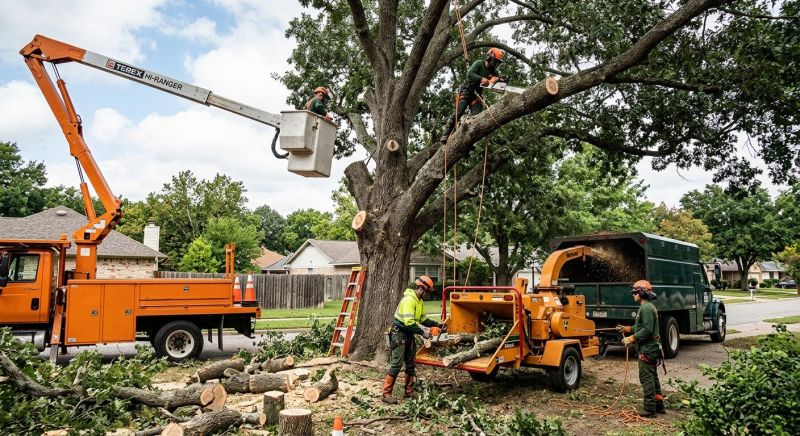
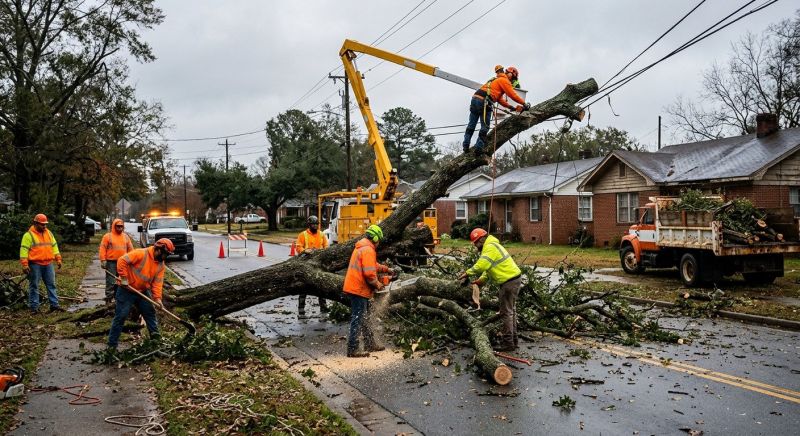
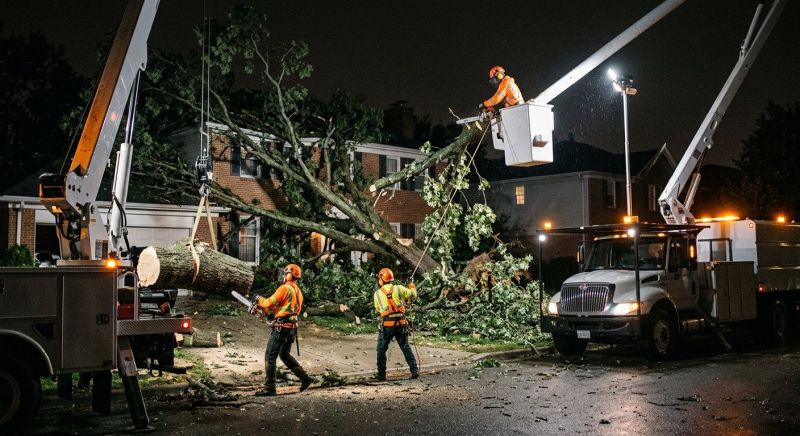
Emergency Tree Removal Questions
When is emergency tree removal necessary? Emergency removal is needed when a tree poses an immediate risk of falling or causing damage due to storms, disease, or instability.
What signs indicate a tree may need urgent removal? Signs include large broken branches, leaning trunks, cracks in the trunk, or roots lifting from the ground.
How does emergency tree removal protect property? It reduces the risk of falling limbs or trees damaging structures, vehicles, or power lines during severe weather events.
What should property owners do before emergency tree removal? Ensure the area around the tree is clear and accessible to allow safe and efficient removal efforts.
Request Emergency Tree Removal in Allentown, PA
Use the quote form on this page to share the basics of your project and request more information for the type of work you need.